

Nepalese Hand Knotted Carpets in Today’s Global Economy: Challenges and Opportunities
Nepalese hand knotted carpets face global economic challenges while embracing new opportunities through sustainability, custom design, and timeless craftsmanship valued in modern international markets.
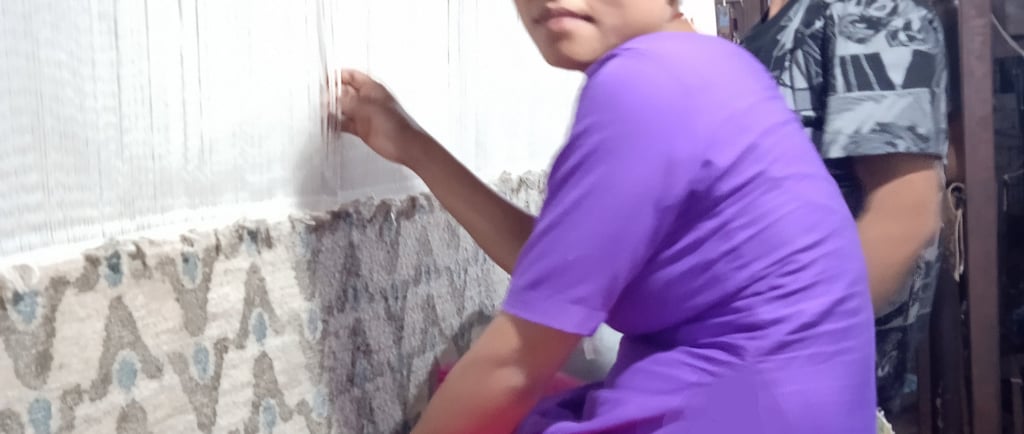

Nepalese hand knotted carpets are admired around the world for their exceptional craftsmanship, rich heritage, and timeless beauty. Rooted in centuries old weaving traditions, these carpets represent patience, skill, and artistic excellence. However, in today’s rapidly changing global economy, the market for handmade carpets faces both significant challenges and promising opportunities.
One of the main challenges is the shifting global economic landscape. Inflation, fluctuating currencies, rising transportation costs, and uncertain consumer spending have directly impacted the handmade carpet industry. In many international markets, buyers are more cautious with luxury purchases, often prioritizing affordability over craftsmanship. This creates pressure on producers of Nepalese hand knotted carpets, which require time intensive labor and skilled artisans, making them naturally higher in cost than machine made alternatives.
Another major challenge comes from mass produced rugs. Factory made carpets, often marketed as “handmade look,” are widely available at lower prices and shorter delivery times. These products can confuse consumers and reduce appreciation for genuine hand knotted carpets. Educating global buyers about the value, durability, and authenticity of Nepalese craftsmanship remains an ongoing task.
Despite these challenges, there are strong opportunities shaping the future of Nepalese hand knotted carpets. One of the most important is the growing global demand for sustainable and ethically produced products. Modern consumers are becoming more conscious of where and how products are made. Nepalese hand knotted carpets, crafted using natural fibers, traditional techniques, and fair labor practices, align perfectly with this shift toward responsible consumption.
Customization is another powerful opportunity. Today’s buyers seek unique designs that reflect personal style rather than mass produced patterns. Nepalese carpet manufacturers are increasingly offering custom sizes, colors, textures, and designs to suit residential, commercial, and hospitality interiors. This flexibility allows hand knotted carpets from Nepal to remain relevant in modern spaces while preserving their traditional essence.
The global design industry also plays a key role. Interior designers and architects continue to value hand knotted carpets for their texture, depth, and ability to anchor a space. Nepalese carpets are no longer limited to traditional interiors. They are now widely used in modern homes, luxury hotels, boutique offices, and contemporary architectural projects. This blending of tradition with modern design has expanded their global appeal.
Digital platforms have further opened doors to international markets. Online exhibitions, virtual showrooms, and direct communication with buyers allow Nepalese carpet producers to showcase their craftsmanship to a wider audience. Storytelling through digital content helps convey the cultural value, artisanal process, and human connection behind each carpet, strengthening trust and brand identity.
Looking ahead, balancing tradition with innovation is essential. Preserving skilled artisanship while adapting to global market demands, evolving design trends, and economic realities will define the future of Nepalese hand knotted carpets. Investment in artisan welfare, quality control, sustainable sourcing, and global branding will help maintain long term growth.
In conclusion, while today’s global economy presents undeniable challenges, it also offers meaningful opportunities for Nepalese hand knotted carpets. By embracing sustainability, customization, modern design, and global connectivity, this timeless craft can continue to thrive. Nepalese hand knotted carpets are not just products; they are cultural treasures that carry history, artistry, and lasting value into the modern world.